
Preschool Games
Free games for three and four year olds, sorted in the order little ones learn: capital letters and their sounds first, then counting, shapes and colors, memory, art and plenty of play.
ABCs and letter sounds
Start with capital letters. They are made of simple lines and curves, which makes them the easiest letters for a small child to see and name.
Recognize Capital Letters A to Z
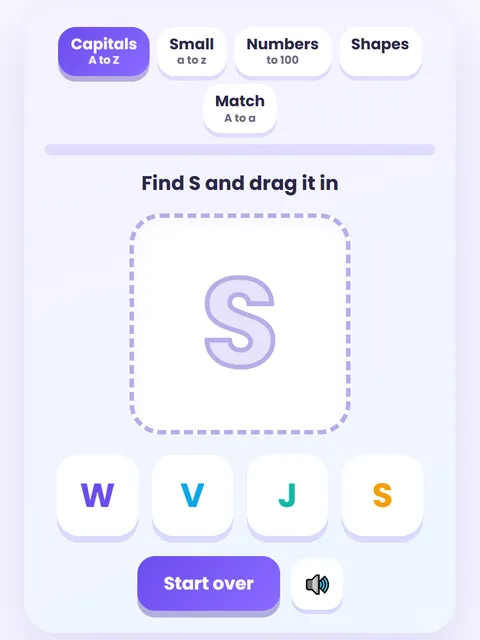
Drag the matching letter into the big outline, one letter at a time.
Play now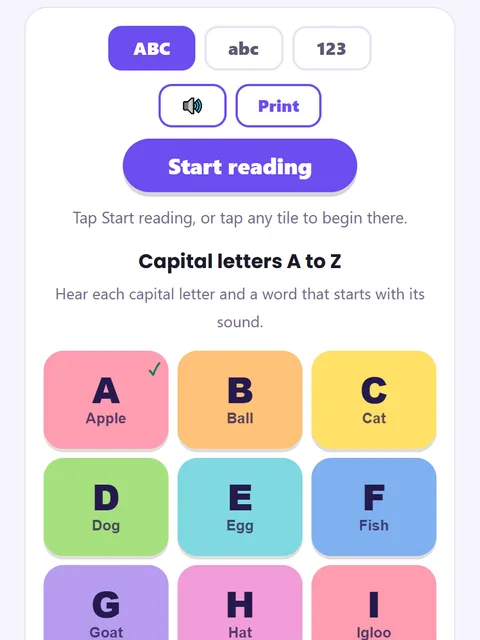
Phonics Sounds A to Z
Tap a capital letter and hear it said out loud.
Play now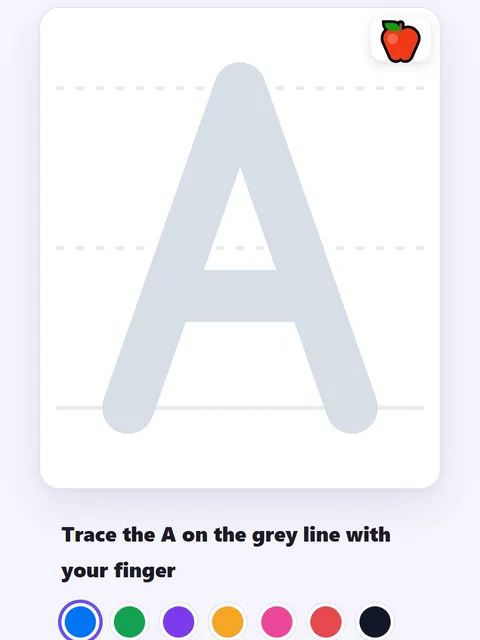
Trace Capital Letters A to Z
Watch each letter being written, then trace it with a finger.
Play now
Letter Sounds Flashcards
Pick the Letter Sounds deck and say the sound each letter makes.
PracticeNumbers and counting
Touching each object once while saying one number matters more than reciting numbers fast. Count real things together first, then play.
Shapes, colors and puzzles
Naming shapes and fitting puzzle pieces together builds the careful looking that letters and numbers need later.
Recognize Shapes
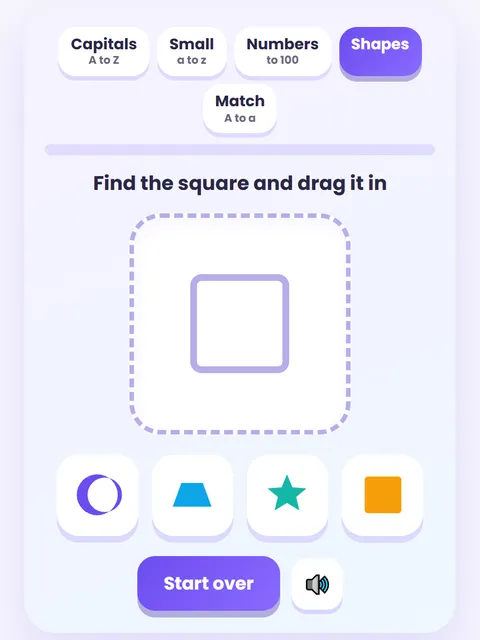
Drag each shape into its matching outline.
Play now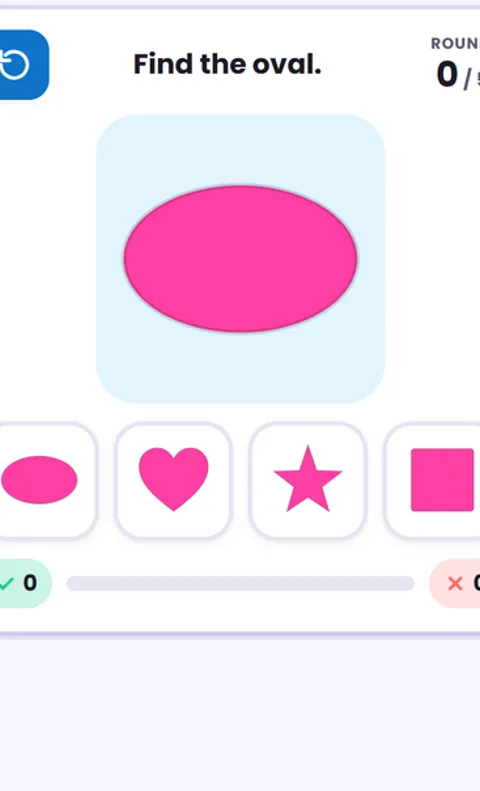
Shape Matching
Hear the shape, then tap the one that matches.
Play now
Color Matching
Hear the color, then tap the balloon that matches.
Play now
Jigsaw Puzzle
Drag the pieces into place. Fresh original pictures every time.
Play nowMemory and matching
Short memory games teach a child to look closely and hold on to what they saw. Play the first few rounds together.
Shadow Matching
See the picture, then tap the shadow that matches it.
Play now
Memory Match
Flip the cards and find every matching pair.
Play now
What's Missing
Remember the pictures, then spot the missing one.
Play now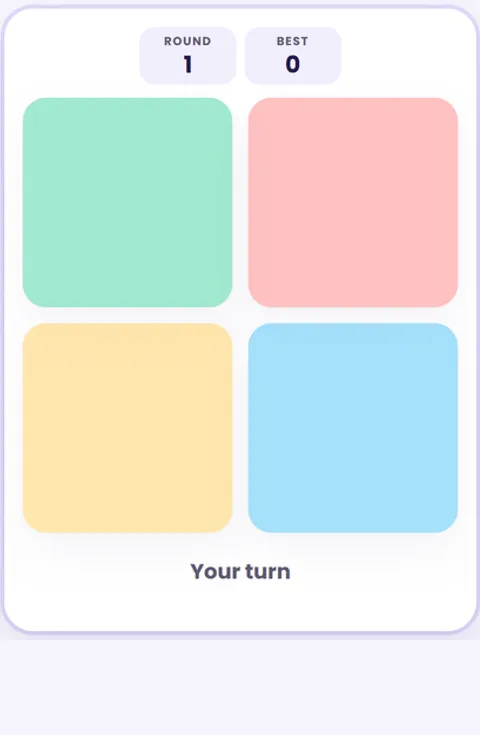
Color Sequence
Watch the colors, then repeat the growing pattern.
Play nowColoring, painting and music
Big arm movements come before small pencil control, so painting and coloring are real preparation for writing.
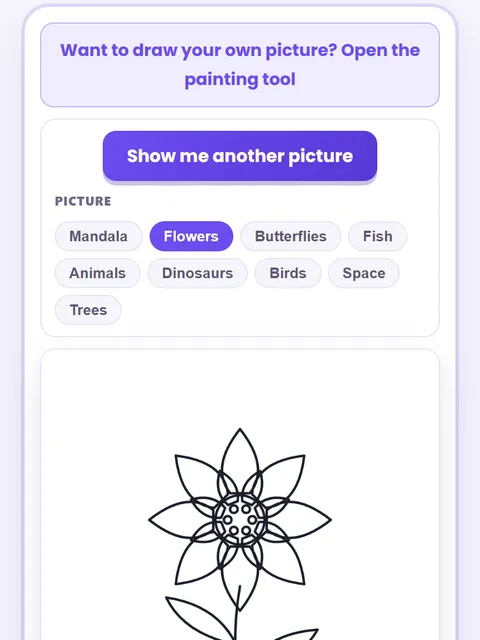
Coloring Pages
Tap a shape to fill it with color. A new picture every time.
Play now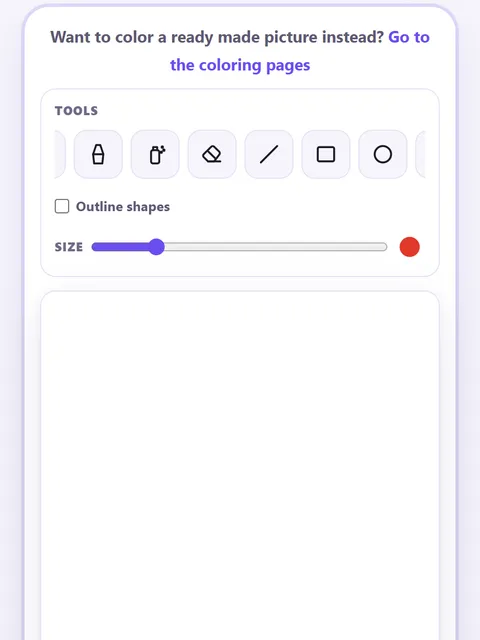
Paint and Draw
A blank page with brushes, stamps, stickers and shapes.
Play now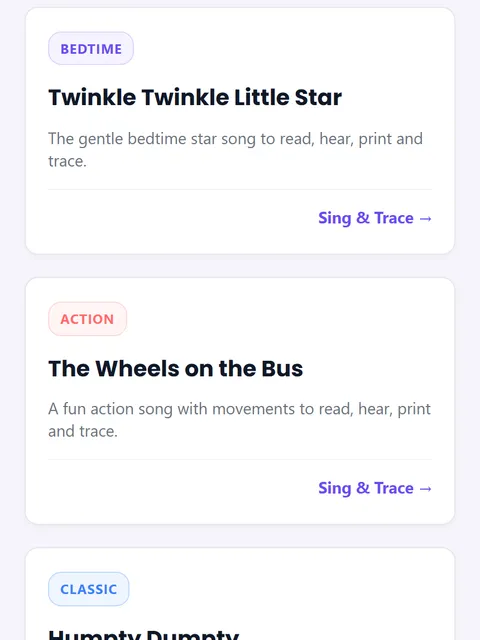
Nursery Rhymes
Read the words, hear each rhyme read aloud and sing along.
Play now
Virtual Piano
Tap the keys to play music and easy songs.
Play nowTap and play
Quick, happy games for a short break. They build hand control and reaction time without any reading.
Printable flashcards and worksheets
For time away from the screen. Print these for crayons at the table, a quiet corner or the car.
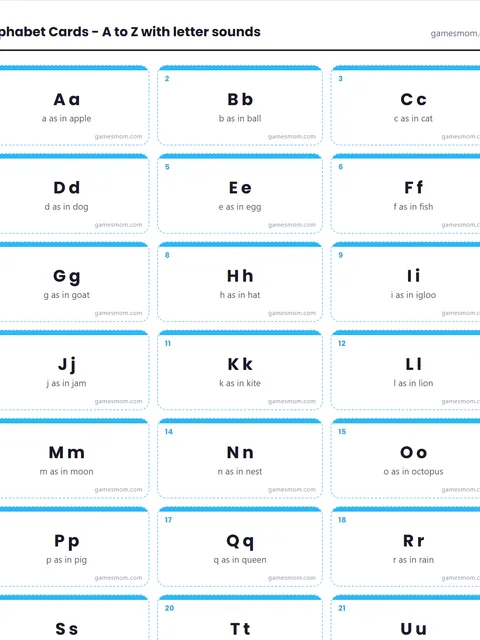
Printable Alphabet Flashcards
A to Z letter cards with a sound word on each.
Print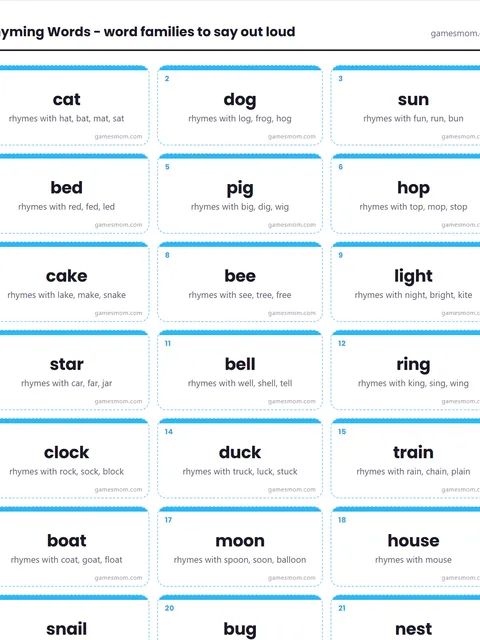
Printable Rhyming Words Flashcards
Rhyming families as cut out cards.
Print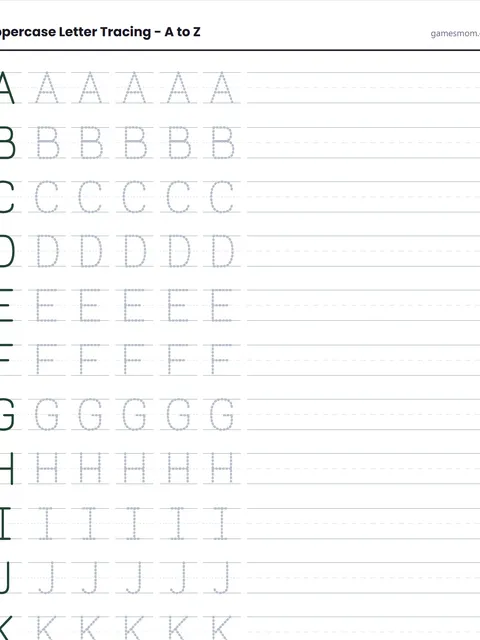
Letter Tracing Worksheet
Trace every capital letter on ruled lines.
Print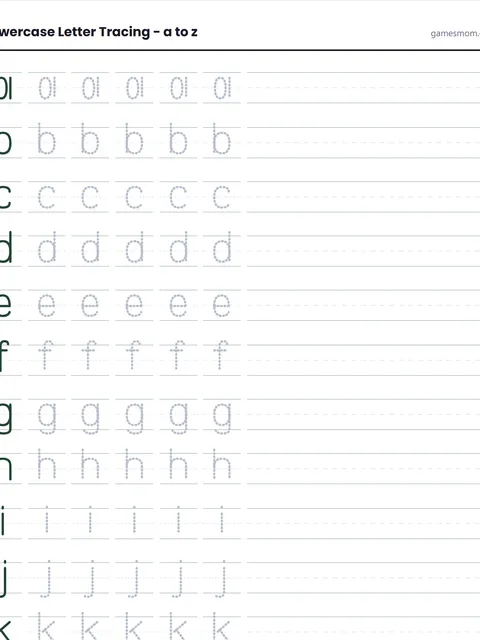
Lowercase Letter Tracing Worksheet
Trace every small letter on ruled lines.
Print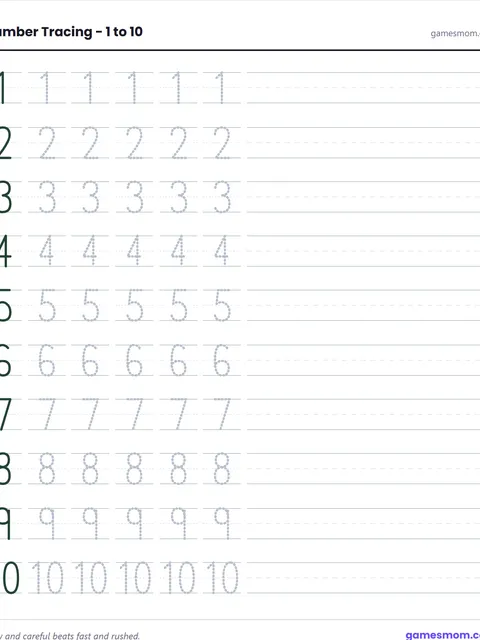
Number Tracing Worksheet
Trace every number from 1 to 10.
Print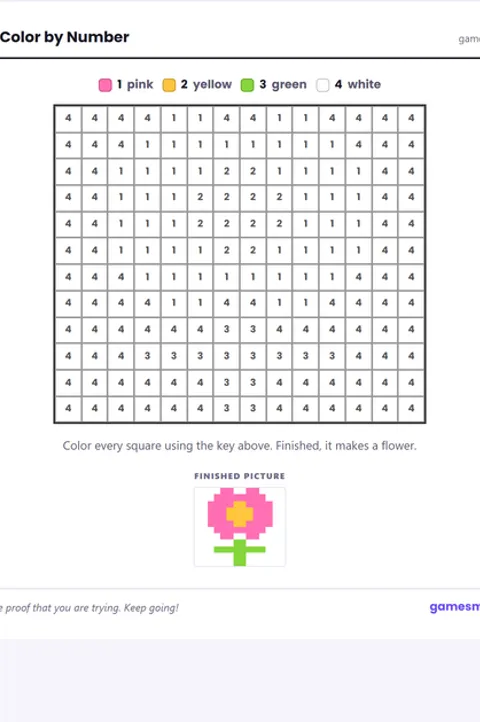
Color by Number Flower
Color each square by its number and a flower appears.
Print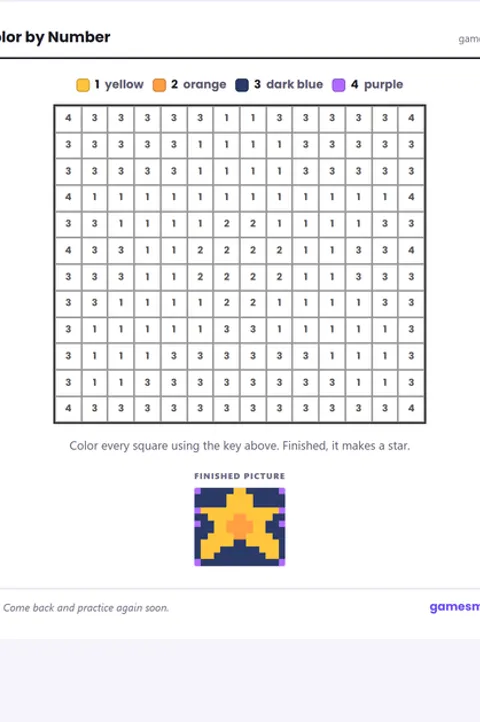
Color by Number Star
Color each square by its number and a star appears in the night sky.
Print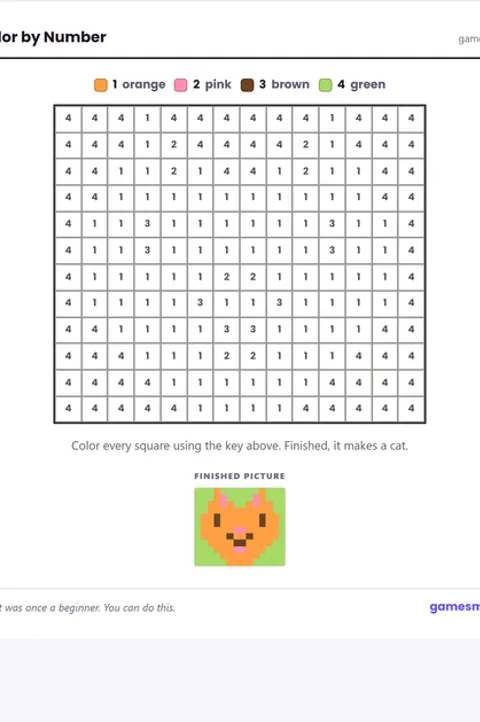
Color by Number Cat
Color each square by its number and a cat face appears.
Print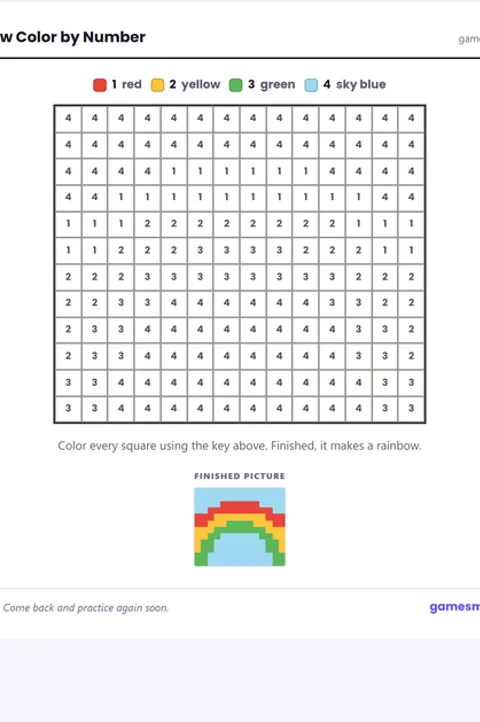
Color by Number Rainbow
Color each square by its number and a rainbow appears.
PrintWhat makes a good preschool game
Three and four year olds are still learning to point, tap and wait for something to happen, and most cannot read yet. A good preschool game shows one clear thing at a time, explains itself with pictures and sounds instead of words, and never punishes a wrong tap. Every game on this page works that way, and none of them asks for a sign-up.
Keep sessions short. Five to ten minutes is plenty at this age, and stopping while your child is still enjoying it is the easiest way to make them want to come back tomorrow.
Three or four, and how to tell the level is right
The gap between a three year old and a four year old is wide. At three, stay with counting small groups, color and shape matching and the shortest memory games, and praise taking part rather than getting it right. At four, most children manage longer memory patterns, spotting games and the first letter sounds, and many start enjoying watching a score climb.
The signal that the level is right is simple. Your child is smiling, managing most of it, and asking for another go. Frustration means make it shorter or easier. Wandering off usually means it went on too long rather than that it was too hard.
The order to try them in
The sections follow the order most children learn in. Capital letters and their sounds come first, then counting small groups, then shapes and colors. Memory games, art and music fit alongside all of them. There is no need to finish one section before starting the next, and most children happily move back and forth.
If a game feels too hard, step back to an easier one and try again in a few weeks. If your child already knows most capital letters and counts to ten with confidence, the small letters, tracing and first sums in our kindergarten games are the next step.
How to tell your child is ready for the next step
Each section has a signal that tells you it has landed. Looking and listening: your child finds a matching pair from six cards without help. Letters: they pick out the letters in their own name. Sounds: they can tell you what their own name starts with. Counting: they count five objects and tell you how many without starting again.
Writing takes the longest. Copying a circle and a cross is the usual sign the hand is ready for letter shapes, and plenty of typical four year olds are not there yet. None of this runs in a straight line, and if a step feels like a fight it is usually the one before it that needs more time.
Play alongside your child
Sit with your child for the first few rounds of any new game. Say what you both see: "That is a B. B for ball." Count out loud together, and let your child do the tapping. Talking about the game is where much of the learning happens, and it turns screen time into time spent together.
When a tap is wrong, keep it light. "Oops, that one was blue. Can you find red?" A child who feels safe getting things wrong keeps trying, and trying is the whole point at this age.
Away from the screen
Every skill on this page can be practiced without a device too. Look for letters on cereal boxes, count the stairs as you climb them, sort socks by color and sing nursery rhymes in the car. The printables above give you ready-made letter cards, tracing sheets and color by number pictures for the table.
For help choosing by age, read our guide to games for 3 and 4 year olds.